AI Image Generators: Best Tools, Features, and Uses for Creating Digital Art
 Veer

 Veer
Creating high-quality visuals no longer requires advanced design skills or hours of manual work. AI image generators have made it easier for individuals, businesses, and creative professionals to turn simple ideas into digital images. Whether you need a blog banner, social media post, product mockup, or digital illustration, AI-powered tools can help you create visuals that match your requirements.
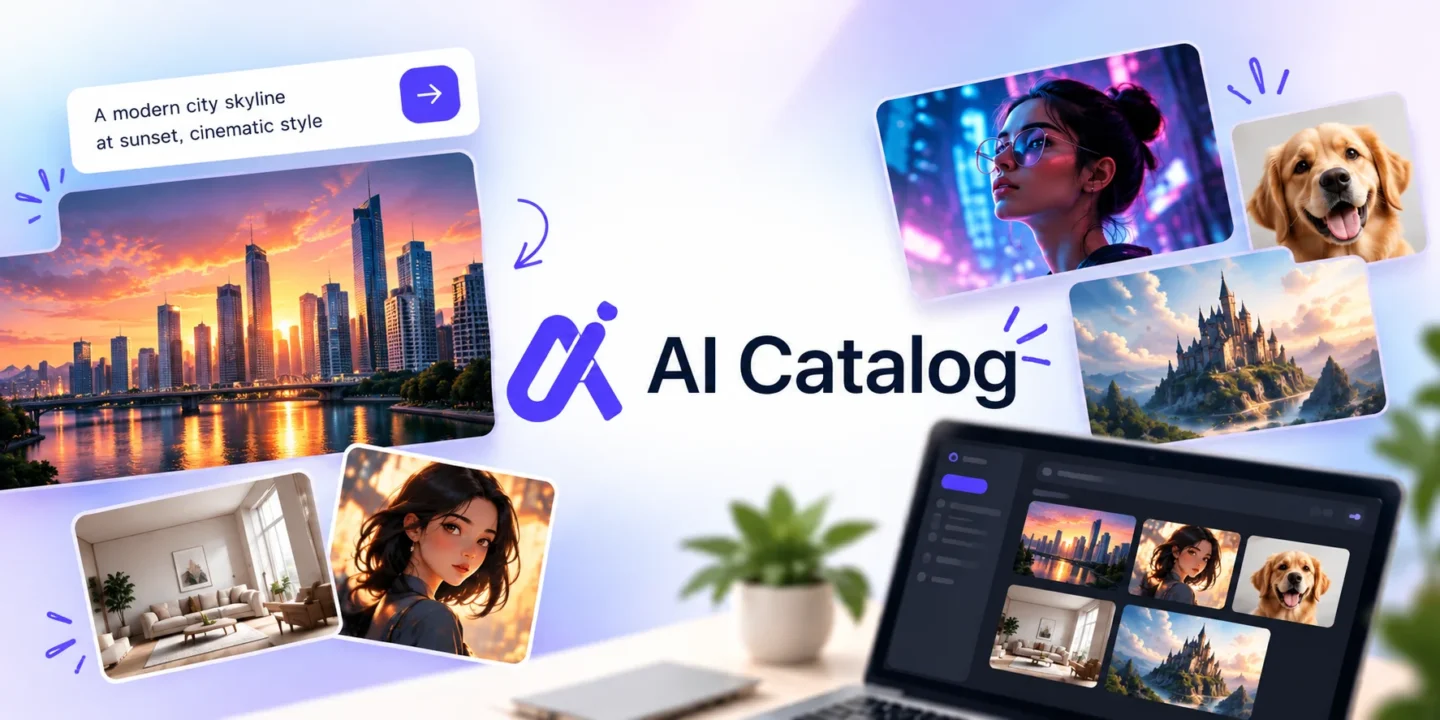
These tools use artificial intelligence to interpret text prompts, existing images, and other inputs to produce or modify visual content. As more options become available, finding the right tool for a specific project can take time. Platforms such as AI Catalog help users explore image generation software and understand the features available across different tools.
AI image generation is the process of creating images using artificial intelligence. Users can describe a scene, object, character, or visual concept in a text prompt, and the software generates an image based on that description.
For example, a user could enter a prompt describing a modern workspace with natural lighting, wooden furniture, and a minimalist design. An AI image generator can use these instructions to create a visual interpretation of the idea.
Many tools also support image editing, background removal, image enhancement, and style transformation. These capabilities make AI image generation useful for beginners, designers, marketers, content creators, and businesses looking to produce visual content more efficiently.
AI image generators use trained machine learning models to identify patterns in visual data and generate new images. When a user enters a prompt, the system interprets the instructions and produces an image based on the model’s learned patterns.
The quality of the result often depends on the clarity of the prompt, the model being used, and the available customization options.
Users can improve their results by describing important details, including the subject, setting, lighting, composition, and preferred artistic style. Some platforms also allow users to upload reference images or modify existing visuals.
Experimenting with different prompts can help users find a result that fits their creative goals.
Different tools offer different capabilities. Understanding these features can help you choose software that matches your requirements.
Text-to-Image Generation: This feature converts written descriptions into images. It is useful for creating illustrations, concept art, product scenes, and visual content for websites.
Image Editing and Transformation: Some tools allow users to change specific elements, adjust styles, or transform existing images without starting from scratch.
Background Removal: This feature separates a subject from its background, making it useful for product photography, profile pictures, and online store listings.
Image Upscaling and Enhancement: Image enhancement tools can improve resolution, sharpen details, and make existing images more suitable for different digital uses.
Style Customization: Users may be able to create visuals in realistic, artistic, cartoon, anime, or other styles, depending on the platform.
Pricing Options: Free plans, paid subscriptions, and credit-based pricing are common across AI tools. Reviewing these options helps users understand the costs before committing to a service.
Choosing an AI image tool depends on what you want to create. Some platforms focus on generating new images, while others specialize in editing, enhancement, or accessibility.
Here are three tools listed in the AI image generation category on AI Catalog.
1. Picsart AI
Picsart AI offers creative tools for generating, editing, enhancing, and transforming visual content. Its features can be useful for social media graphics, marketing materials, photo editing, and other everyday design tasks.
2. Neural AI
Neural AI, also known as Neural.love, provides web-based tools for image generation, enhancement, and restoration. It can be worth exploring for users who want to create new visuals or improve existing images.
3. AltText AI
AltText AI focuses on generating descriptive alternative text for images. While it serves a different purpose from traditional text-to-image generators, it can help website owners improve image accessibility and support their content optimization workflows.
You can explore these options and other available tools through the AI Catalog Image Generation directory.
AI image generation has practical applications across several industries.
Digital Marketing: Marketers can create campaign visuals, advertising concepts, social media graphics, and website banners for different audiences and platforms.
Blogging and Content Creation: Bloggers can develop featured images, illustrations, and supporting visuals that complement their articles.
E-commerce: Online sellers can experiment with product mockups, lifestyle scenes, and creative product presentations. Final images should accurately represent the products being sold.
Graphic Design: Designers can use AI-generated images to explore concepts, test visual styles, and develop initial creative ideas before refining their work.
Education: Teachers and students can create illustrations, diagrams, and visual examples that make certain topics easier to understand.
Although these tools can speed up creative work, human review remains important. Generated images may contain visual errors, inaccurate details, or elements that need correction.

With so many AI tools available, choosing one can feel confusing. A structured approach can make the decision easier.
Start by identifying your main requirement. If you need original artwork, look for text-to-image capabilities. If you work with existing photographs, prioritize editing and enhancement features. Website owners may also benefit from tools that generate image descriptions.
Next, compare pricing, available features, output quality, usage limits, and commercial-use terms. Test free versions or trials when available, and check whether the tool supports your preferred image formats and workflow.
AI Catalog provides a dedicated directory where users can explore image generation tools and review their listed features and pricing options. Instead of evaluating every available platform individually from the beginning, you can use the directory as a starting point for finding suitable options.
AI image generators have changed how people approach digital content creation. From developing original artwork to editing photographs and preparing marketing visuals, these tools offer practical ways to explore ideas and produce images.
The best choice depends on your creative goals, budget, and required features. Taking time to compare different platforms can help you find software that fits your workflow.
For readers looking to explore available options, AI Catalog’s image generation directory offers a convenient starting point. The SaaS AI brings attention to useful software resources like this to help readers discover tools that may suit their professional and creative needs.

© 2026. All rights reserved by Saasutility.


No Comments