Checkr: A Modern Background Check Platform for Faster and Smarter Hiring
 sabhijeet01

 sabhijeet01
Hiring decisions often require more than a resume and an interview. Employers may need to confirm a candidate’s work history, education, or driving record before making an offer. Manual checks can slow recruitment and add work for HR teams. Checkr is a background screening platform that helps organizations manage this process through technology and verification services. The goal is to make screening easier to manage while giving candidates a clear process for sharing the information employers request.
Checkr is a background screening company that helps businesses review information relevant to hiring and other trust-related decisions. Organizations use its platform to request checks, track progress, and review reports. It serves small businesses, large employers, and digital marketplaces.
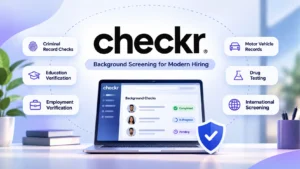
Depending on the role, a check may include criminal record searches, employment and education verification, motor vehicle records, drug testing, or international screening. The information included depends on the searches requested and applicable laws.
An employer creates a screening request through the Checkr dashboard or an integrated hiring system. The candidate receives an invitation to provide information and complete required disclosures and authorizations. Checkr then conducts the searches included in the selected package.
Employers can follow report progress online. When screening is complete, the report becomes available for review. Candidates can use the portal to request a copy, provide clarification, or dispute information they believe is inaccurate. Completion times vary based on the searches, locations, court records, and any extra documents required.
Checkr offers screening options that businesses can select according to a role’s responsibilities.
Criminal record checks search available county, state, and federal records, subject to reporting rules. Employment verification helps confirm previous employers, job titles, and dates. Education verification checks schools attended and degrees earned.
For driving-related roles, motor vehicle record checks help employers review licence status, restrictions, and driving history. Checkr also offers employment drug testing and international background checks.
Not every position needs every check. Employers should select screenings relevant to the job and legally permitted.
Checkr uses technology to organize information and reduce manual steps. Its platform includes tools to standardize records, estimate report completion times, and apply compliance filters. These features can make reports easier to review and help teams manage tasks consistently.
The service integrates with applicant tracking systems and human resource information systems. Checkr says it offers more than 100 pre-built integrations. Companies with specific technical needs can also use its API to build connections or embed candidate workflows.
For organizations processing many applications, these options can reduce repeated data entry and connect screening with the wider hiring process.
Checkr supports small businesses, enterprise employers, staffing firms, retailers, hospitality businesses, manufacturers, volunteer organizations, and gig or marketplace companies. Their screening needs differ. A delivery platform may focus on driving records, while an office-based employer may prioritize employment or education verification.
Smaller teams can use the dashboard and screening packages. Larger organizations can consider configurable workflows, integrations, and reporting tools to manage hiring across locations.
A background check can affect an applicant’s progress, so clear communication matters. Checkr provides a mobile-friendly portal where individuals can submit information, follow report status, and access a completed copy. Candidates may also provide details or dispute information they believe is incorrect.
Employers should explain why screening is required, what candidates need to provide, and whom to contact with questions. The employer remains responsible for hiring decisions.
Employment background checks are governed by laws. In the United States, the Fair Credit Reporting Act (FCRA), along with state and local requirements, affects how employers request and use screening reports. Employers may need to provide disclosures, obtain authorization, follow adverse-action procedures, and assess information fairly.
Checkr offers tools to help organizations manage parts of this process, but software does not remove legal responsibilities. Businesses should understand the rules in each location and seek qualified legal guidance when needed. Screening should be job-related and consistent.
For organizations that regularly screen applicants, Checkr may be worth evaluating as a way to organize background checks. Its services, candidate portal, integrations, and API may suit teams that want to manage screening alongside existing hiring tools.
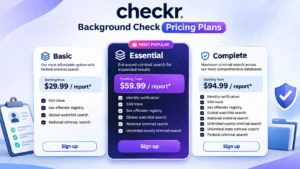
The right fit depends on screening volume, required checks, supported locations, integration needs, turnaround expectations, and pricing. Businesses should review available packages, compare costs, confirm supported locations, and check whether the service meets their operational and compliance requirements before choosing a provider.
Checkr gives businesses a technology-based way to request, manage, and review background screenings. Its verification services and workflow tools can help hiring teams reduce manual coordination. Employers should still choose checks carefully, communicate clearly with candidates, and follow applicable laws. The Checkr website is a useful starting point for exploring its services.
© 2026. All rights reserved by Saasutility.



No Comments