Exploring OpenArt.ai: The Future of AI-Driven Creativity
 Veer
Veer
 Veer
Veer
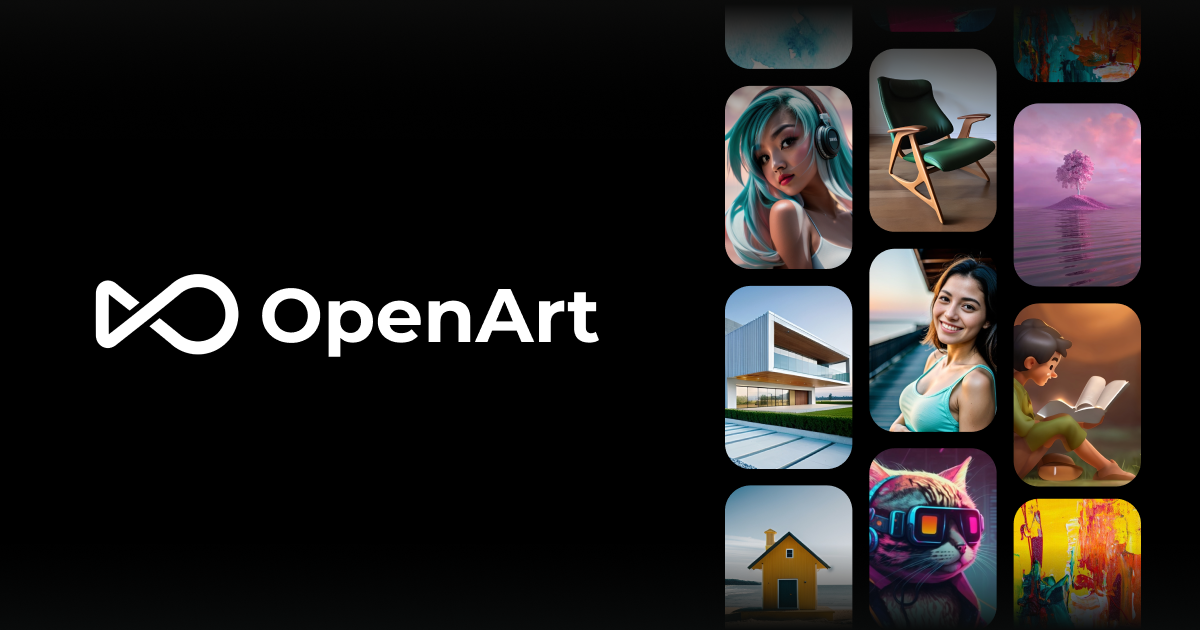
Within the fast-paced environment of artificial intelligence, AI-driven creative tools are changing how creators, designers, and fans create content. One of these innovations is OpenArt.ai, which is a prominent platform that will connect technology with creativity. OpenArt.ai is a highly potent and yet easy-to-use platform where you can create beautiful pieces of provocatively abstract art without much more than clicking a button no matter whether you are a professional graphic designer, a digital artist, or you are just interested in trying to use AI-generated art.
What is OpenArt.ai?
OpenArt.ai is an AI-based service, which allows individuals to create digital art and creative images based on smart algorithms. The platform uses sophisticated machine learning models that compare patterns, style, and inputs of the users and transforms them into high-quality artwork. The difference between OpenArt.ai and other types of art is also its availability, since any person, irrespective of their technical and artistic skills, can use it to produce their own artwork.
Unlike the conventional graphic design tools, which take years of training, OpenArt.ai uses the intuitive inputs. Users are allowed to write about their thoughts using ordinary language, refer to images, or use ready-made styles. These inputs are then interpreted by the AI which generates unique results and often it takes only a few seconds. This is why it is the best choice among businesses, content creators, and hobbyists who require engaging visuals as fast as possible.
Key Features of OpenArt.ai
The OpenArt.ai tool has a number of features that put it in the spotlight of the AI art industry:
1. AI-Powered Image Generation
Image generation is the fundamental functionality of the OpenArt.ai. Users are allowed to feed the AI some text prompts that explain what they want in terms of the scene, object or mood, and the AI creates images that fit the description. There are no limits to this text to image technology: realistic portrait to abstract design.
2. Style Customization
Creativity is a matter of opinion, and OpenArt.ai is aware of it. The platform has customization options for style, where the user can add artistic filters, colour options and can play with various visual effects. OpenArt.ai is flexible with various styles because, regardless of your intentions, you may make your drawing look like a classical painting, digital illustration, or a futuristic design.
3. Reference Image Support
OpenArt.ai enables users to post reference images to instruct the AI in creating art. This option is especially beneficial to the designers who may need to ensure the brand stays the same or use the existing images as sources of inspiration. The AI has the ability to have many references to form completely new compositions without removing the original style elements.
4. High-Resolution Output
To professionals, it is important how good the final art work is. OpenArt.ai creates high-resolution images that are compatible with digital and print media. This has made sure that the images produced by them can be directly utilized in the marketing campaigns, posts in social media, websites, or even merchandise without affecting the quality.
5. Community and Inspiration
OpenArt.ai is not only a tool, but a community. Users are able to share their creations, go through trending prompts, and get inspired by the work of other people. This creative workflow encourages learning, experimentation, and innovation whereby users can challenge the limits of what can be done with AI-generated art.
Benefits of Using OpenArt.ai
OpenArt.ai has a number of benefits in your creative workflow:
Time Effectiveness: It may take time to design high quality images manually. OpenArt.ai saves a lot of time producing art, and it is highly professional at the same time.
Affordable Innovativeness: Designers may be very costly to hire, or even to buy stock art. OpenArt.ai is among the cheaper opportunities at the expense of creativity.
Unlimited Experimenting: The AI enables the user to undergo unlimited trials and thus perfect his or her thoughts until they produce the desired outcome.
Accessibility: Access is not restricted to any technical skills or artistic background. This is a democratization of the creative process in that anybody can make a work of professional appearance.
Industrial Applications.
OpenArt.humanity is not restricted to a particular artist: it finds application in a great variety of industries:
Marketing and Advertising: The brands can easily create images to use in campaigns, social media, or web designs without involving the third party.
Gaming and Entertainment: Developers and designers can do concept art, character design and environment visuals on games and animations.
Publishing: OpenArt.AI can produce illustrations, book covers and graphics in online magazines and books and can be used by authors and other content creators in their publications.
E-Commerce: On-line stores have the capacity to generate mockups of their products, advert graphics as well as life style images to boost their visuals.
Issues and Problems.
Although OpenArt.ai is an effective tool, users should consider a few things:
Copyright and Originality: As AI models are trained on the existing data, it may raise concerns related to copyright and intellectual property. The users need to be cautious when utilizing AI-generated art in a commercial way.
Reliance on the Quality of Input: The quality of output is extremely reliant on the specificity and clarity of user prompts. The lack of clarity of inputs can lead to the poor outcomes.
Ethical Use: Like any AI technology, it makes sense to use them ethically. The users are not supposed to produce content that may prove harmful, obscene, or deceptive.
What AI-Generated Art Is Going to Be.
Social media, such as OpenArt.ai, is only the start of a revolution in art. With the further development of AI, more advanced tools that will grasp the context, emotion, and complex forms of art may be anticipated. This will not only make creators stronger but also will redefine conventional concepts of art and creativity.
Conclusion
OpenArt.ai is not only an AI generator of art, but a mediator between the imagination and the realization. It enables anyone to create professional-quality visuals in minutes by combining sophisticated algorithms with easy to use interfaces. OpenArt.ai can be used by marketers and hobbyists, designers and publishers, to discover the unlimited possibilities of AI-based creativity.
OpenArt.ai is a tool that would be worth experimenting with AI art or making a life easier in terms of creative workflow or trying new artistic frontiers. This is the future of creativity, and it is being driven by artificial intelligence.

© 2026. All rights reserved by Saasutility.

No Comments